
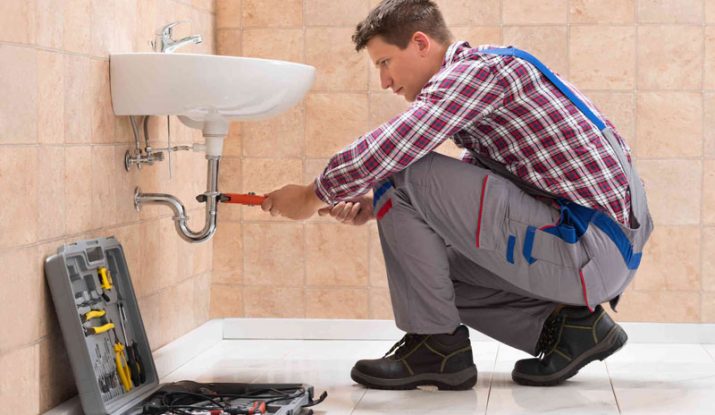
What Plumbing Should You Plan Before Renovating a Bathroom on the Gold Coast?
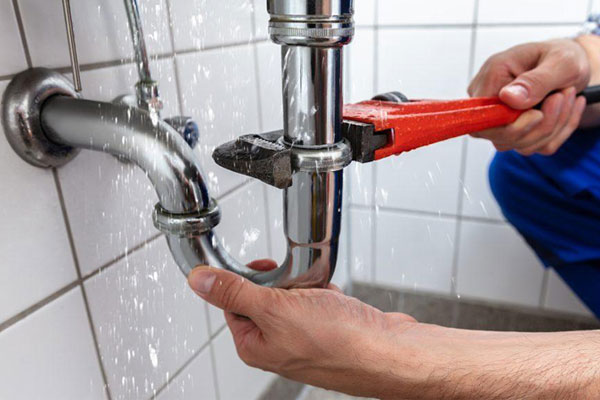
A bathroom renovation is not just about choosing new tiles, colours and fixtures. The plumbing behind the walls and under the floor is a major part of the project and can affect your bathroom layout, drainage, water supply and installation process.
So, what plumbing should you plan before renovating a bathroom on the Gold Coast?
Planning your bathroom plumbing early can help reduce unexpected changes, delays and additional work during the renovation. It also gives you an opportunity to identify existing plumbing problems before new flooring, tiles and fixtures are installed.
Should You Keep the Existing Bathroom Layout?
One of the first decisions to make is whether you want to keep your existing bathroom layout or move your plumbing fixtures.
Keeping the toilet, shower, vanity and bath in their current positions may reduce the amount of plumbing work required. However, changing the layout can make better use of your available space and create a more functional bathroom.
Before moving any fixtures, consider the location of your existing water supply and drainage pipes. Your plumber can assess whether the proposed layout is practical and what pipework changes may be needed.
Do You Need to Relocate Bathroom Plumbing?
Moving bathroom fixtures often means relocating plumbing.
For example, moving a vanity may require changes to the water supply and waste connections. Relocating a toilet can involve drainage alterations, while moving a shower may require changes to both water and waste pipework.
These plumbing changes should be planned before walls, floors and other finishes are completed. This can help prevent the need to remove newly installed materials later.
What Bathroom Fixtures Should You Choose Before Plumbing Starts?
Your plumber should know which fixtures you intend to install before the plumbing work is finalised.
Consider the position and type of:
- Shower and shower mixer
- Toilet
- Vanity and basin
- Bath
- Tapware
- Floor wastes
- Shower drains
- Hot and cold water connections
Different bathroom fixtures can have different plumbing requirements. Confirming your selections early allows the plumbing layout to be planned around the final bathroom design.
How Important Is Drainage During a Bathroom Renovation?
Good drainage is essential for a functional bathroom. Water from the shower, basin, bath and other fixtures needs to flow correctly into the drainage system.
The location of the shower drain, floor waste, vanity waste and toilet connection should therefore be considered when designing the new bathroom layout.
If you are changing the position of your fixtures, a Gold Coast plumber can assess the existing drainage system and determine whether modifications are required.
Planning drainage before the renovation progresses can help avoid problems once the new floor and bathroom finishes are installed.
Should You Plan the Hot Water Supply?
Hot water should also be considered when planning a bathroom renovation.
If you are moving the shower, bath or vanity, the existing hot water pipework may need to be adjusted. The location of your hot water system and the distance to the new fixtures can influence the plumbing layout.
If your hot water system is older or already experiencing issues, the renovation may also be a suitable time to discuss repairs or replacement with a licensed plumber.
Should You Check Existing Plumbing Before Renovating?
Yes. Before installing new bathroom fixtures and finishes, it is worth checking the condition of the existing plumbing.
Watch for signs such as:
- Leaking taps or pipes
- Slow or blocked drains
- Damp areas
- Water stains
- Low water pressure
- Unusual plumbing noises
- Recurring toilet problems
- Unpleasant drainage smells
- Ageing or damaged pipework
Addressing these problems before the renovation is completed can help prevent future plumbing repairs from affecting your new bathroom.
Do You Need a Licensed Plumber for a Bathroom Renovation in Queensland?
Bathroom renovations can involve regulated plumbing and drainage work. Queensland Building and Construction Commission guidance states that regulated plumbing and drainage work must be performed by an appropriately licensed plumber or drainer. Bathroom renovations and the installation or relocation of fixtures such as toilets, showers and basins can also fall under notifiable work requirements.
This makes it important to involve a suitably licensed professional when planning significant plumbing changes as part of your Gold Coast bathroom renovation.
When Should You Contact a Plumber?
It is better to discuss your plumbing requirements during the bathroom design stage rather than waiting until the renovation has started.
A plumber can review the proposed layout, identify potential water and drainage changes and determine what plumbing work needs to be completed before the walls, floors and fixtures are installed.
This is particularly important when you plan to move your toilet, shower, vanity or bath.
How Can Good Plumbing Planning Improve Your Bathroom Renovation?
Renmark plumbing Gold Coast planning can help create a bathroom that is practical as well as visually appealing.
By considering the water supply, drainage, fixture positions, hot water connections and existing pipework early, you can reduce the likelihood of unexpected plumbing changes later in the project.
It also allows your bathroom renovation team to coordinate plumbing with waterproofing, tiling, cabinetry and fixture installation.
Final Thoughts
Planning the plumbing is one of the most important steps in a bathroom renovation. Before finalising your bathroom design, consider the position of your fixtures, water supply, drainage, hot water connections and the condition of your existing plumbing.
If you are changing the layout or relocating bathroom fixtures, getting professional plumbing advice early can help make the renovation process more organised and reduce unexpected problems.
For homeowners planning a bathroom renovation, bathroom plumbing services on the Gold Coast can assist with fixture installation, pipe and drain relocation and other plumbing requirements involved in updating a bathroom.
