
Why Do Blocked Drains Keep Coming Back on the Gold Coast, and How Can You Prevent Them?
Blocked drains are a common plumbing problem for homeowners and businesses. While a blockage may appear to be resolved after clearing the drain, the same issue can return if the underlying cause remains. Grease build-up, tree roots, foreign objects and damaged pipes can all contribute to recurring drainage problems.
For Gold Coast property owners, understanding why drains keep becoming blocked can help prevent repeated disruptions and identify when professional plumbing assistance may be needed. Regular maintenance and early attention to warning signs can also help keep drainage systems working effectively.
What Causes Blocked Drains to Keep Coming Back?
Recurring blockages often indicate that something inside the drainage system has not been fully addressed. Clearing the immediate obstruction may restore water flow temporarily, but other debris or structural problems can continue to affect the pipe.
Common causes include:
- Grease and fat build-up: Cooking oils and fats can stick to pipe walls and collect food particles over time.
- Tree root intrusion: Roots may enter small cracks or joints in underground pipes and gradually restrict water flow.
- Hair and soap residue: Bathroom drains can accumulate hair, soap deposits and other materials.
- Foreign objects: Wipes, sanitary products and unsuitable items can become trapped in pipes.
- Damaged or ageing pipes: Cracks, collapsed sections or misaligned joints may repeatedly catch debris.
- Poor drainage or pipe design: Certain pipe layouts, inadequate gradients or existing defects can contribute to ongoing drainage issues.
Identifying the cause is important because different blockages require different solutions.
How Can You Recognise a Recurring Drainage Problem?
Drains often show warning signs before a complete blockage develops. Recognising these signs early can help property owners arrange an inspection before the problem becomes more disruptive.
1. Slow-Draining Sinks and Showers
If water takes longer than usual to drain from a sink, shower or bathtub, debris may be restricting the pipe. If the problem repeatedly returns after basic cleaning, there may be a deeper blockage in the drainage system.
2. Unpleasant Drain Odours
Persistent smells from drains may be caused by trapped food waste, grease, organic material or other deposits. Sewer-related odours can also indicate a plumbing or drainage issue that needs investigation.
3. Gurgling Sounds
Gurgling noises from sinks, toilets or floor drains may indicate restricted water flow or ventilation problems. If these sounds occur alongside slow drainage, it is worth arranging a plumbing assessment.
4. Multiple Blocked Fixtures
When several fixtures drain slowly at the same time, the problem may be located in a shared drain or main sewer line rather than an individual fixture.
If wastewater backs up into a property, stop using affected fixtures and seek prompt professional assistance.
How Can Gold Coast Homeowners Prevent Blocked Drains?
Preventative habits can reduce the amount of debris entering household drainage systems. Although these steps cannot prevent every blockage, they can help manage common causes.
1. Keep Grease Out of Kitchen Drains
Avoid pouring cooking oil, fat or grease into the sink. Allow it to cool and dispose of it appropriately. Wipe greasy cookware with paper towel before washing to reduce residue entering the pipes.
Use a sink strainer to catch food scraps and empty it into the bin rather than washing them down the drain.
2. Prevent Hair and Debris from Entering Bathroom Drains
Install suitable drain covers in showers and bathroom sinks to collect hair and other debris. Clean the covers regularly so water can flow freely.
Avoid flushing wet wipes, cotton buds, sanitary products and other unsuitable items down the toilet, even if the packaging suggests they can be flushed.
3. Monitor Trees Near Underground Pipes
Tree roots can enter underground pipes through existing cracks or loose joints. If your property has mature trees near drainage lines and blockages repeatedly occur, a professional inspection may help identify whether root intrusion is involved.
Avoid attempting to cut roots inside pipes using improvised tools or harsh chemicals, as this can damage the plumbing system or fail to address the underlying problem.
4. Arrange Professional Drain Inspections When Needed
Repeated blockages may require more than basic clearing. Professional plumbers can investigate the cause using suitable equipment and recommend an appropriate solution.
For example, a CCTV drain inspection can help identify root intrusion, cracks, displaced joints and debris inside a pipe. Finding the source of the problem makes it easier to determine whether cleaning, repairs or further maintenance are needed.
How Can Professional Drain Clearing Help Stop Repeated Blockages?
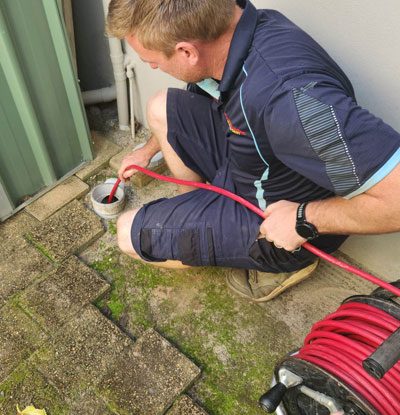
Professional drain clearing aims to remove the obstruction and restore suitable water flow. The method used depends on the location, severity and cause of the blockage.
High-pressure water jetting may be suitable for removing certain grease deposits, sludge and accumulated debris from compatible drainage systems. Mechanical equipment may be used for other types of obstructions.
However, clearing a drain does not automatically repair damaged pipes or eliminate every cause of recurring blockages. Where a problem continues, inspecting the pipe can help determine whether additional repairs are necessary.
For property owners dealing with repeated drainage issues, Renmark Plumbing provides blocked drain services on the Gold Coast, with options to investigate the problem and identify a suitable approach.
When Should You Call a Plumber for a Blocked Drain?
A minor blockage may sometimes respond to simple maintenance, but professional help is recommended when the problem keeps returning or does not clear.
Contact a plumber if you notice persistent slow drainage, recurring bad smells, repeated toilet blockages, gurgling sounds or multiple affected fixtures. Wastewater backing up into a home or business requires prompt attention.
Avoid repeatedly using chemical drain cleaners, especially when the cause of the blockage is unknown. Some products can damage certain plumbing materials, create safety hazards or complicate subsequent repair work.
Conclusion
Recurring blocked drains can be caused by grease, hair, tree roots, foreign objects or damaged pipes. Preventative habits, early attention to warning signs and appropriate drain inspections can help reduce repeated problems and keep plumbing systems operating more reliably.
If a blockage continues to return despite clearing, investigating the underlying cause is often the most effective next step. A suitable professional assessment can help determine whether drain cleaning, CCTV inspection or pipe repairs are needed.

